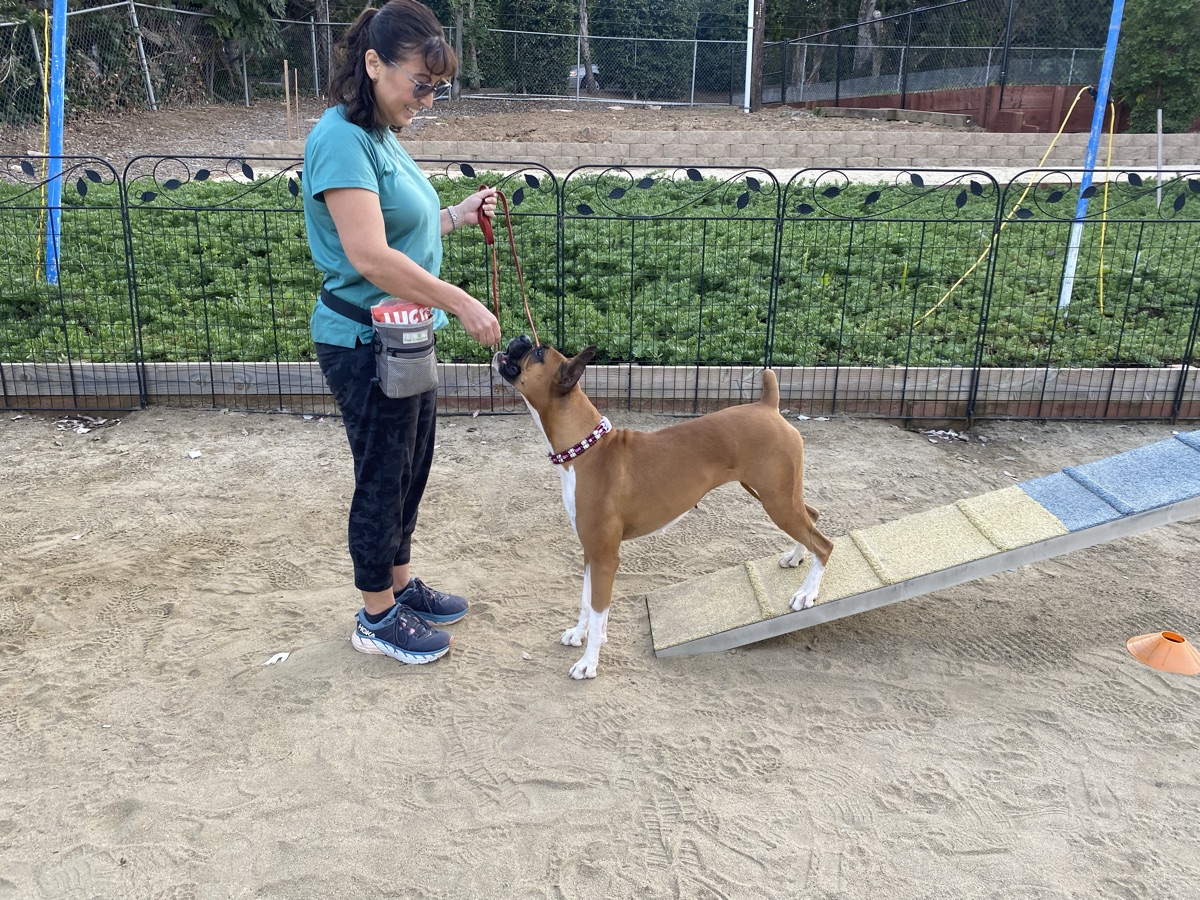
Boxer Training Tips Every Owner Should Know
Boxers are one of the most trainable breeds out there — but they come with a catch. They are incredibly smart, which means they get bored fast. They are strong and athletic, which means a poorly trained Boxer can be a handful. And they have a stubborn streak that will test your patience if you are not prepared for it.
The good news? Once you understand how a Boxer thinks, training becomes a rewarding experience for both of you. Here are the strategies that work.
Keep Sessions Short and Fun
Boxers have the attention span of a toddler at a birthday party. Long, repetitive drills will cause them to check out mentally — or worse, start making up their own games.
What works:
- Keep training sessions to 5-10 minutes at a time
- End every session on a positive note, even if it means going back to a command they already know
- Mix in play between reps — a quick game of tug is the best reset button
- Train 2-3 short sessions per day instead of one long one
Use Positive Reinforcement — Always
Boxers are sensitive dogs. Harsh corrections, yelling, or punishment-based methods will shut them down or make them anxious. They want to please you, but they need to understand what you are asking.
What works:
- High-value treats for new commands (real chicken, cheese, or freeze-dried liver)
- Enthusiastic verbal praise — Boxers feed off your energy
- Mark the exact moment they get it right with a clicker or a sharp "Yes!"
- Phase out treats gradually once a behavior is solid, replacing with praise and play
Master the Basics First
Before you move to anything fancy, these four commands should be rock solid:
- Sit — The foundation for everything. Practice in different locations and with distractions.
- Stay — Start with 3 seconds and build up. Boxers want to be near you, so this one takes patience.
- Come — The most important safety command. Practice on a long lead before going off-leash. Never call your Boxer to come and then do something they dislike like clipping nails.
- Leave it — Boxers are mouthy and curious. This command will save your shoes, your dinner, and possibly a vet bill.
Burn Off Energy Before Training
A wired Boxer is not a learning Boxer. If your dog is bouncing off the walls, trying to teach them a down-stay is an exercise in frustration for both of you.
Before a training session, try:
- A 20-minute walk or jog
- 10 minutes of fetch in the yard
- A flirt pole session (Boxers go crazy for these)
- Mental enrichment like a snuffle mat or puzzle feeder
A tired Boxer is a focused Boxer.
Socialize Early and Often
Boxers that are not properly socialized can become reactive or fearful. The critical window is before 16 weeks, but socialization should continue throughout their life.
Expose your Boxer to:
- Different people (kids, men with hats, people in wheelchairs)
- Other dogs in controlled settings
- Various environments (pet stores, outdoor cafes, parks)
- Everyday sounds (vacuum, doorbell, garbage trucks)
The goal is not just exposure — it is creating positive associations. Pair every new experience with treats and calm praise.
Address Jumping Early
Boxers are notorious jumpers. It is cute when they are a 15-pound puppy. It is not cute when they are 70 pounds and knocking over your guests.
How to fix it:
- Ignore the jump — Turn your back completely, no eye contact, no talking
- Reward four on the floor — The instant all four paws hit the ground, mark it and reward
- Ask for an incompatible behavior — Tell them to sit before they can greet someone
- Be consistent — Everyone in the household must follow the same rules. One person allowing jumps undoes everyone else's work.
Crate Training Is Non-Negotiable
A crate-trained Boxer is a safer, calmer Boxer. The crate should be their happy place, never a punishment.
Tips for success:
- Feed meals in the crate
- Start with the door open and toss treats inside
- Gradually increase the time with the door closed
- Cover the crate with a blanket for a den-like feel
- Never let them out when they are whining — wait for a moment of quiet, then reward
Most Boxers learn to love their crate within 1-2 weeks if you are patient.
Leash Manners Take Time
Boxers are strong pullers. A 60-pound Boxer that pulls on leash is not enjoyable to walk, which means fewer walks, which means more pent-up energy, which means more behavior problems. Break the cycle early.
Tools that help:
- A front-clip harness (Easy Walk or Freedom Harness) redirects pulling
- Stop walking the moment the leash gets tight — only move forward when it is loose
- Change direction frequently to keep them guessing and paying attention to you
- Practice in low-distraction areas first before hitting the busy sidewalk
Be Patient With the Boxer Wiggle
If you own a Boxer, you know the wiggle. That full-body, tail-wagging, can't-contain-the-excitement greeting they give you. It makes them terrible at holding a stay when guests arrive, but it is also what makes them the best dogs in the world.
Training a Boxer is not about breaking their spirit. It is about channeling all that energy, enthusiasm, and intelligence into behaviors that make them a joy to live with. Stay consistent, keep it positive, and remember — the bond you build through training will last their entire life.
Have questions about training your Boxer? We are always happy to help — get in touch with us.